English
  Français
  Deutsch
 Content
Polyethylene film is one of the most versatile and widely used materials in packaging, construction, and industrial applications. Its popularity stems from its excellent chemical resistance, flexibility, and durability. Understanding the different types of polyethylene film is essential for selecting the right material for specific uses, ensuring both performance and cost-efficiency.
Types of Polyethylene Film
Polyethylene film can be broadly categorized into three main types: LDPE (Low-Density Polyethylene), HDPE (High-Density Polyethylene), and LLDPE (Linear Low-Density Polyethylene). Each type possesses unique characteristics that make it suitable for certain applications.
| Type | Density Range | Key Properties | Typical Applications |
|---|---|---|---|
| LDPE | 0.910–0.940 g/cm³ | Flexible, transparent, soft, high impact resistance | Food packaging, plastic bags, shrink wrap |
| HDPE | 0.941–0.965 g/cm³ | Stiffer, higher tensile strength, chemical resistant | Industrial liners, heavy-duty bags, geomembranes |
| LLDPE | 0.915–0.925 g/cm³ | Combines flexibility of LDPE with strength of HDPE, puncture resistant | Stretch film, pallet wrap, protective covers |
LDPE Film
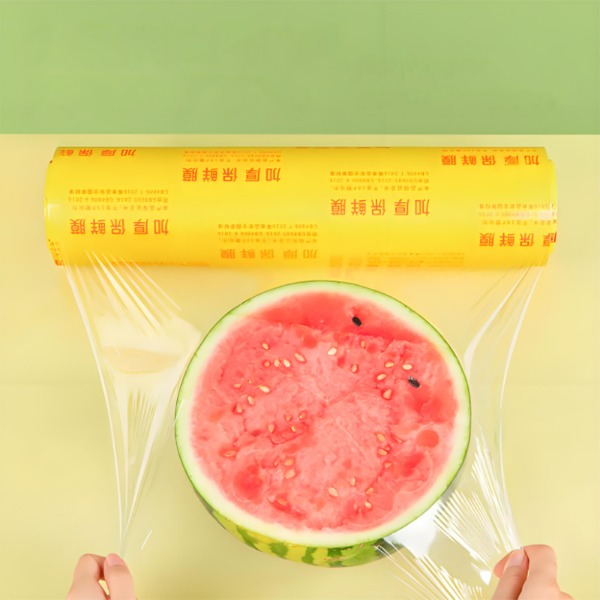
LDPE film is known for its excellent clarity, softness, and stretchability. Its low density allows for easy sealing and adaptability in applications requiring flexibility. LDPE film is widely used for lightweight packaging, shrink films, and protective layers due to its transparency and smooth surface. Its relatively low cost and ease of processing make it a preferred choice for everyday packaging needs.
HDPE Film
HDPE film, in contrast, is characterized by higher stiffness and tensile strength. This type of polyethylene film provides superior chemical resistance and durability under stress, making it ideal for heavy-duty applications. While it is less flexible than LDPE, HDPE film is frequently employed for products requiring long-term stability, such as industrial liners, construction sheets, and reusable bags.
LLDPE Film
LLDPE film is a hybrid material that combines the flexibility of LDPE with the strength and puncture resistance closer to HDPE. It is often used in stretch films, pallet wraps, and other applications where high elasticity and tear resistance are essential. The linear structure of LLDPE ensures uniform thickness, better load-bearing capacity, and improved sealing performance compared to LDPE.
Key Differences Between Polyethylene Films
The primary distinctions between LDPE, HDPE, and LLDPE films lie in density, flexibility, and mechanical properties. LDPE is the softest and most transparent, HDPE is the strongest and most rigid, while LLDPE balances strength and flexibility. These differences directly impact their respective applications, making it important for manufacturers and end-users to consider the specific performance requirements before selection.
| Feature | LDPE | HDPE | LLDPE |
|---|---|---|---|
| Flexibility | High | Low | Medium |
| Transparency | High | Low | Medium |
| Tear Resistance | Medium | High | High |
| Cost | Low | Medium | Medium |
Applications Across Industries
Polyethylene film is widely used across various industries due to its adaptability. LDPE dominates food packaging, while HDPE supports industrial and construction applications. LLDPE provides versatile solutions for transportation and logistics through stretch films. Selecting the right type ensures optimal performance, cost-effectiveness, and sustainability in production processes.
FAQ
1. What is polyethylene film?
Polyethylene film is a thin sheet made from polyethylene resin, used widely in packaging, industrial liners, and protective applications.
2. How do LDPE, HDPE, and LLDPE differ?
LDPE is soft and flexible, HDPE is stiff and strong, and LLDPE combines flexibility with puncture resistance.
3. Which polyethylene film is best for packaging food?
LDPE is most commonly used due to its transparency, softness, and sealing capabilities.
4. Can polyethylene films be recycled?
Yes, most polyethylene films are recyclable, but recycling availability depends on local facilities and contamination levels.
5. What factors determine the choice of polyethylene film?
Key factors include required flexibility, tensile strength, transparency, chemical resistance, and application type.