English
  Français
  Deutsch
 Content
In high-volume environments where hygiene is critical, choosing the right protective gloves is essential. Cast Polyethylene (CPE) gloves stand out as a highly durable and cost-effective option for various industries, offering enhanced protection, grip, and comfort.
What Are CPE Gloves?
CPE gloves are made from Cast Polyethylene, a material produced by heating polyethylene resin to high temperatures and then pouring it into a flat mold to solidify. Unlike traditional polyethylene gloves, which are made using a blown-film process, CPE gloves are more durable, flexible, and resistant to tearing. This manufacturing process makes CPE gloves the ideal choice for industries that require a higher level of protection during everyday tasks, such as food service, janitorial work, and light industrial applications.
Key Advantages of CPE Gloves
When compared to traditional polyethylene (PE) gloves, CPE gloves offer several key benefits that enhance performance, safety, and cost-effectiveness in commercial environments.
High Durability and Tear Resistance
CPE gloves are designed to withstand heavy mechanical stretching. The cast manufacturing process results in a denser, stronger material, which significantly improves the gloves’ tear resistance. This enhanced durability ensures that the protective barrier remains intact, even during rigorous tasks such as cleaning or food preparation. CPE gloves are ideal for environments where the gloves are exposed to frequent handling or sharp objects, as they are less likely to tear or puncture compared to standard PE gloves.
Micro-Textured Grip Control
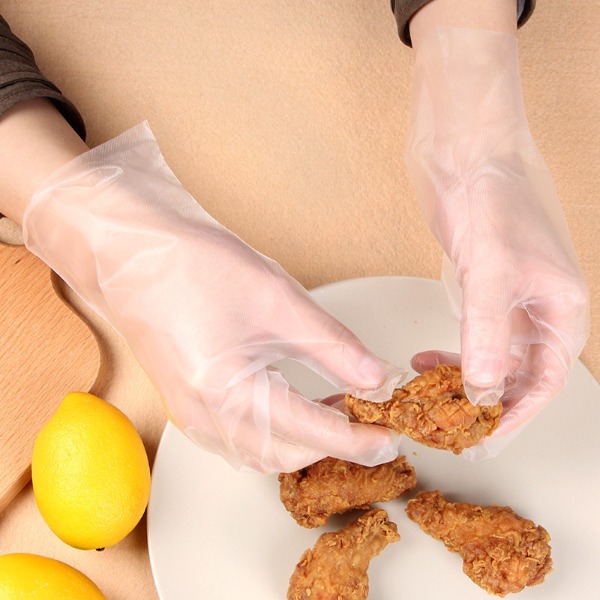
One of the standout features of CPE gloves is their micro-textured surface. This engineered texture provides superior grip, allowing users to securely handle wet, oily, or slippery items without fear of slipping. Standard PE gloves, on the other hand, have a smooth surface that can become slippery when wet, compromising safety and control. Whether it’s handling food, cleaning supplies, or light industrial equipment, the enhanced tactile feedback from CPE gloves offers better performance in tasks requiring a firm grip.
Cost-Effective Daily Hygiene Protection
CPE gloves are highly cost-effective, offering a hygienic and durable alternative to more expensive gloves like nitrile or latex. With businesses in food service, janitorial, and light industrial sectors often requiring the use of disposable gloves, CPE gloves provide a budget-friendly solution without sacrificing quality. The ability to replace gloves frequently without breaking the bank makes them the preferred choice for high-turnover environments.
CPE Gloves vs. Standard PE Gloves
It’s important to understand the structural differences between CPE gloves and standard polyethylene (PE) gloves to make an informed choice based on your specific needs.
| Feature | CPE Gloves | Standard PE Gloves |
|---|---|---|
| Manufacturing Process | High-heat casting | Blown-film method |
| Material Density | Denser and tougher | Lighter and more flexible |
| Tear Resistance | High resistance to tearing | Prone to tearing under pressure |
| Grip | Micro-textured, non-slip | Smooth, slippery when wet |
| Ideal Use | Food handling, janitorial work, light industrial tasks | Low-risk tasks like dry food handling |
CPE gloves are better suited for tasks that require increased physical strength and a secure grip. For low-risk, short-term tasks, such as handling dry goods, standard PE gloves may be sufficient. However, when tasks demand more robust protection or a firmer grip, CPE gloves are the superior choice.
Important Material Limitations
Despite their many advantages, CPE gloves do have limitations. They are not suitable for tasks that involve high-risk chemicals, sharp metal objects, or severe biological hazards. For industries that require protection against corrosive substances or other high-risk materials, alternative gloves such as nitrile or latex may be necessary. Additionally, CPE gloves are not designed for medical or surgical use, where stricter performance standards are required.
Conclusion
CPE gloves provide a highly effective solution for industries that prioritize hygiene and durability without the high cost associated with premium alternatives. Their superior tear resistance, enhanced grip control, and affordability make them the ideal choice for environments that require frequent glove changes. By choosing CPE gloves, businesses can ensure reliable protection for their staff while maintaining cost efficiency.
FAQ
1. What is the difference between CPE gloves and regular polyethylene gloves?
CPE gloves are made using a high-heat casting process, which makes them denser, more flexible, and more tear-resistant than regular PE gloves, which are manufactured using a blown-film method.
2. Why are CPE gloves better for handling wet or oily items?
CPE gloves feature a micro-textured surface that enhances grip, providing better control when handling slippery or wet items. In contrast, regular PE gloves tend to become slippery when wet.
3. Can CPE gloves be used in medical or high-risk environments?
No, CPE gloves are not suitable for medical or high-risk environments, such as surgeries or handling hazardous biological materials. For these tasks, nitrile or latex gloves are recommended.
4. Are CPE gloves cost-effective for high-turnover industries?
Yes, CPE gloves are highly cost-effective, making them a great option for industries like food service and janitorial work that require frequent glove changes without compromising on hygiene or durability.
5. What are the main benefits of CPE gloves in commercial settings?
CPE gloves offer high durability, excellent tear resistance, enhanced grip control, and cost-effective hygiene protection, making them ideal for use in commercial settings like food service, cleaning, and light industrial work.