English
  Français
  Deutsch
 Content
- 1 Introduction to LDPE Disposable Gloves
- 2 What Are LDPE Disposable Gloves?
- 3 The Importance of Food Safety in the Kitchen
- 4 Benefits of LDPE Disposable Gloves in Food Safety
- 5 Proper Usage of LDPE Disposable Gloves in Food Handling
- 6 How LDPE Disposable Gloves Contribute to a Hygienic Kitchen
- 7 LDPE Disposable Gloves and Food Safety Regulations
- 8 FAQ
Introduction to LDPE Disposable Gloves
Food safety is a paramount concern in any kitchen, whether for home cooking or in professional food establishments. Cross-contamination is one of the primary risks when preparing food, especially when handling raw ingredients. One of the most effective tools to combat this risk is the use of LDPE disposable gloves. These gloves provide a barrier between the hands and food, preventing contamination from bacteria, allergens, and other harmful substances.
What Are LDPE Disposable Gloves?
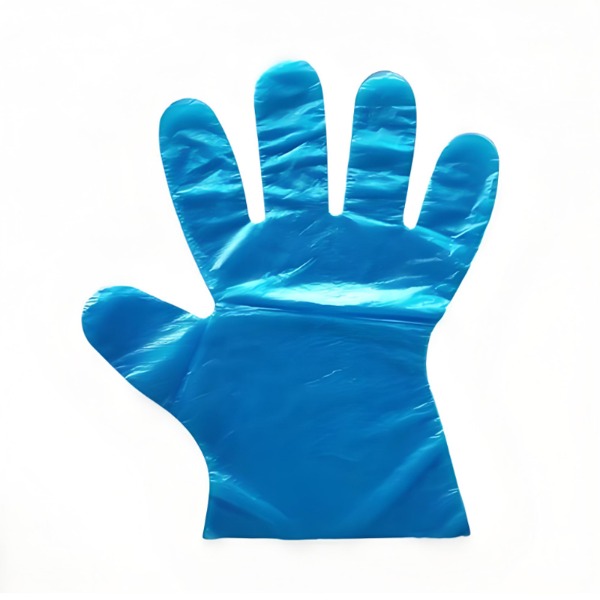
LDPE stands for low-density polyethylene, a flexible, durable plastic that is commonly used in the production of disposable gloves. Unlike nitrile or vinyl gloves, LDPE disposable gloves are made from a softer, more flexible material, making them ideal for short-term tasks. They are typically thinner, lightweight, and provide a comfortable fit, making them a popular choice in foodservice settings.
These gloves are particularly effective in protecting both food and the user from contaminants, ensuring that food handling is as hygienic as possible.
The Importance of Food Safety in the Kitchen
Food safety is critical to prevent foodborne illnesses that can be caused by bacteria, viruses, or other pathogens. According to the Centers for Disease Control and Prevention (CDC), millions of people fall ill due to contaminated food each year. To mitigate this, it is essential to maintain proper hygiene practices, including handwashing, using clean utensils, and employing safety equipment such as gloves.
LDPE disposable gloves are an essential part of these practices, especially in high-risk areas such as raw meat handling, vegetable preparation, or when serving ready-to-eat foods.
Benefits of LDPE Disposable Gloves in Food Safety
Prevention of Cross-Contamination
One of the primary benefits of LDPE disposable gloves is their ability to prevent cross-contamination. When handling raw meats, seafood, or unwashed vegetables, gloves act as a protective barrier, stopping bacteria from transferring to food and surfaces. This is especially important in kitchens where the same equipment or surfaces are often used for both raw and cooked food.
Reduced Risk of Allergens
For kitchens dealing with allergies or food sensitivities, LDPE disposable gloves provide an added layer of safety. When preparing foods that may contain allergens such as nuts, dairy, or gluten, wearing gloves ensures that hands do not transfer these allergens to other foods, preventing unintended exposure.
Compliance with Food Safety Regulations
Many food safety regulations require food handlers to wear gloves during food preparation and serving. LDPE disposable gloves help ensure compliance with these regulations, reducing the risk of violations and the potential for fines or reputational damage.
Comfort and Flexibility
LDPE disposable gloves are known for their comfort, which is crucial for workers who spend long hours in the kitchen. The flexibility of LDPE allows the gloves to conform to the hands, providing a snug yet comfortable fit that doesn’t interfere with manual dexterity. This makes tasks such as chopping, mixing, and plating easier to perform while maintaining a high level of hygiene.
Cost-Effective Solution
Compared to other glove materials, LDPE is relatively inexpensive, making these gloves a cost-effective option for high-volume kitchens. Their lightweight design also ensures that they are easy to dispose of after use, maintaining a high standard of cleanliness without incurring significant costs.
Proper Usage of LDPE Disposable Gloves in Food Handling
To maximize the effectiveness of LDPE disposable gloves, it is essential to use them correctly. Here are some tips for proper usage in a food handling environment:
-
Wear gloves when necessary: Gloves should be worn when handling raw meat, poultry, seafood, or any food that could come into contact with contaminants. It is also important to wear gloves when serving food ready-to-eat.
-
Change gloves regularly: Gloves should be changed whenever they become soiled, torn, or after handling different types of food. For example, after handling raw chicken, a new pair of gloves should be worn before preparing vegetables.
-
Proper disposal: After use, LDPE disposable gloves should be disposed of properly in a trash bin, not left on countertops or other surfaces. This reduces the risk of contamination and ensures a clean environment.
-
Handwashing: Even when wearing gloves, it is crucial to wash hands before and after handling food. Gloves are an additional barrier, but they do not replace the importance of good hand hygiene.
How LDPE Disposable Gloves Contribute to a Hygienic Kitchen
A clean and hygienic kitchen is essential for maintaining food safety standards. By incorporating LDPE disposable gloves into daily practices, kitchens can significantly reduce the likelihood of contamination. They also provide a quick and efficient solution for high-turnover tasks, ensuring that workers do not waste time sanitizing hands between every food preparation step.
Comparison of Different Disposable Gloves for Food Safety
| Glove Type | Material | Durability | Comfort | Common Use | Cost |
|---|---|---|---|---|---|
| LDPE Disposable Gloves | Low-density polyethylene | Light, flexible | High | Food preparation, short-term tasks | Low |
| Nitrile Gloves | Nitrile | Durable, puncture-resistant | Moderate | Longer tasks, chemical handling | High |
| Vinyl Gloves | Vinyl | Less flexible | Moderate | Low-risk food handling, short tasks | Low |
LDPE Disposable Gloves and Food Safety Regulations
Many countries have specific regulations regarding the use of gloves in foodservice settings. In the United States, for example, the Food and Drug Administration (FDA) mandates that food handlers wear gloves when handling ready-to-eat foods. LDPE disposable gloves are an ideal option for meeting these standards, providing an inexpensive and effective solution to comply with health codes and regulations.
FAQ
1. Why are LDPE disposable gloves preferred in food safety?
LDPE disposable gloves are cost-effective, comfortable, and provide a flexible barrier against contaminants, making them ideal for short-term food handling tasks.
2. How do LDPE gloves compare to nitrile gloves in food safety?
While nitrile gloves are more durable and puncture-resistant, LDPE gloves are more affordable and suitable for short-duration food handling tasks.
3. Can LDPE gloves be reused?
No, LDPE disposable gloves are designed for single-use only and should be disposed of after each task to ensure hygiene and prevent contamination.
4. Are LDPE gloves safe for all types of food?
Yes, LDPE gloves are safe for handling all types of food, including raw meats, vegetables, and ready-to-eat foods. However, they should be changed frequently to avoid cross-contamination.
5. How do LDPE disposable gloves contribute to reducing allergens in food?
LDPE disposable gloves prevent allergens from transferring from the hands to food, helping to minimize the risk of allergic reactions in sensitive individuals.