English
  Français
  Deutsch
 Content
- 1 Introduction
- 2 Understanding Polyethylene Aprons
- 3 Choosing the Right Thickness
- 4 Sizing and Fit: Ensuring Proper Coverage
- 5 The Importance of Comfort and Mobility
- 6 Applications of Polyethylene Aprons in Various Industries
- 7 Environmental Considerations and Sustainability
- 8 Maintenance and Disposal of Polyethylene Aprons
- 9 FAQ
- 10 Conclusion
Introduction
In industries ranging from food processing to chemical handling, protective gear plays an essential role in maintaining safety and hygiene standards. Among the most widely used protective garments are polyethylene aprons. These aprons are favored for their durability, cost-effectiveness, and versatility. However, choosing the right polyethylene apron for your workplace is crucial to ensure maximum protection and comfort.
Understanding Polyethylene Aprons
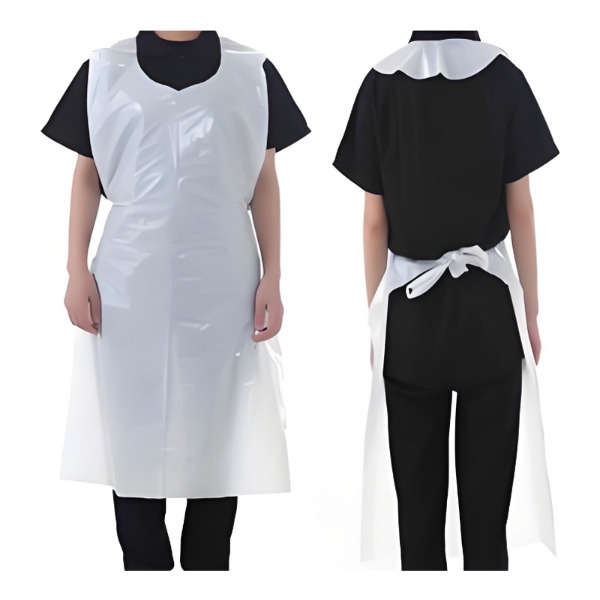
Polyethylene aprons are a type of protective garment made from polyethylene film or resin. These aprons are commonly used in environments where workers need to be shielded from splashes, spills, or contact with hazardous materials. The primary appeal of polyethylene aprons is their combination of lightweight construction and waterproof properties, making them a popular choice in industries like food processing, healthcare, and agriculture.
Key Features of Polyethylene Aprons:
- Waterproof: They effectively block liquids and chemicals.
- Lightweight: The thin material ensures comfort and ease of movement.
- Durable: Resistant to tears and punctures under normal usage.
- Economical: Often more cost-effective than other types of protective aprons.
Different Types of Polyethylene Aprons
There are several variations of polyethylene aprons available, each suited to different workplace environments. The main differences lie in the thickness of the material, its composition, and the design of the apron itself.
Comparison of Polyethylene Apron Types
| Type | Thickness (mil) | Features | Best For |
|---|---|---|---|
| Standard Polyethylene | 1-2 mil | Lightweight, flexible | Food processing, general work environments |
| Heavy Duty Polyethylene | 3-4 mil | Extra thick, highly resistant to tears | Chemical handling, industrial environments |
| Anti-Static Polyethylene | 2-3 mil | Designed to reduce static buildup | Electronics industry, clean rooms |
| Bio-Degradable Polyethylene | 1-2 mil | Environmentally friendly, breaks down naturally | Environmentally conscious workplaces |
Choosing the Right Thickness
The thickness of a polyethylene apron directly affects its durability, flexibility, and the type of protection it offers. Generally, the thicker the apron, the more robust it will be in protecting against liquids and physical damage. However, thicker aprons may reduce mobility and comfort.
- Thin Aprons (1-2 mil): These are ideal for light-duty tasks where flexibility and comfort are key. They’re often used in food processing and general cleaning tasks.
- Medium Aprons (2-3 mil): Suitable for more hazardous environments where moderate protection is needed, such as handling chemicals or in laboratories.
- Thick Aprons (3-4 mil): Heavy-duty polyethylene aprons are designed for industries with more demanding tasks, such as chemical handling or in environments with high temperatures.
Sizing and Fit: Ensuring Proper Coverage
Correct sizing is crucial when selecting polyethylene aprons. An apron that is too small will leave areas unprotected, while one that is too large can hinder movement and cause discomfort. Most polyethylene aprons come in a standard size that fits most individuals, but it’s essential to choose one that fits the task at hand.
- Standard Apron Size: Typically, a one-size-fits-all design, usually measuring around 28-30 inches in length and 25-30 inches in width.
- Adjustable Aprons: Some aprons come with adjustable neck straps or ties that allow for a customizable fit.
- Custom Sizes: In certain situations, you may need to opt for a custom-sized apron, particularly in industries where workers may need more extensive coverage, such as those handling large equipment or working with heavy machinery.
The Importance of Comfort and Mobility
Even though polyethylene aprons are protective, comfort and mobility should never be overlooked. Workers who need to wear aprons for extended periods will appreciate aprons that provide ease of movement and comfort. Key features that contribute to comfort include:
- Soft Edges: Soft, smooth edges prevent chafing, especially when wearing aprons for long hours.
- Elastic Waistbands: Some polyethylene aprons include elastic waistbands or adjustable ties to improve fit and comfort.
- Breathable Design: Although polyethylene is waterproof, some aprons incorporate ventilation panels or designs that allow air circulation to reduce heat buildup.
Applications of Polyethylene Aprons in Various Industries
Polyethylene aprons are used in a wide variety of industries due to their protective properties. Here are some common applications:
- Food Processing: Polyethylene aprons are often used in food handling environments to prevent contamination and protect workers from food spills.
- Healthcare: In medical settings, polyethylene aprons are worn to safeguard against bodily fluids and contaminants.
- Chemical Industry: Workers in chemical manufacturing and processing facilities use heavier-duty polyethylene aprons to protect against dangerous spills or splashes.
- Agriculture: Polyethylene aprons are essential in farms or nurseries where workers handle fertilizers, pesticides, or other potentially hazardous substances.
Environmental Considerations and Sustainability
While polyethylene aprons are effective, they are typically made from plastic, which poses environmental concerns. However, in recent years, biodegradable and recyclable polyethylene options have emerged, offering an environmentally friendly alternative for eco-conscious businesses. These eco-friendly aprons break down over time, reducing their environmental impact.
Maintenance and Disposal of Polyethylene Aprons
Polyethylene aprons are generally disposable, but if reusable types are chosen, proper maintenance is essential to ensure their effectiveness and longevity. Some aprons may require washing in specific conditions to retain their protective qualities. Once used, disposable aprons should be discarded according to local waste disposal guidelines to minimize environmental impact.
FAQ
Q1: Are polyethylene aprons waterproof?
Yes, polyethylene aprons are highly resistant to liquids and can effectively protect against water and chemical spills.
Q2: How long do polyethylene aprons last?
Polyethylene aprons are designed for one-time use in most cases. However, heavy-duty options may be reused several times if properly maintained.
Q3: Can polyethylene aprons be used for food processing?
Absolutely! Polyethylene aprons are commonly used in food processing as they provide excellent protection against food spills and contamination.
Q4: Are there eco-friendly polyethylene aprons?
Yes, biodegradable polyethylene aprons are now available for businesses looking for more environmentally friendly options.
Q5: How do I choose the right thickness for my workplace?
The appropriate thickness depends on the tasks your workers will be performing. Light-duty tasks require thinner aprons, while heavy-duty tasks need thicker aprons for better protection.
Conclusion
Choosing the right polyethylene apron for your workplace is critical in ensuring the safety and comfort of your employees. By considering the material type, thickness, sizing, and specific needs of your industry, you can select the ideal apron that provides optimal protection and durability.