English
  Français
  Deutsch
 Content
Introduction
In the fast-paced world of food production and distribution, the need for efficient, safe, and cost-effective packaging is essential. One material that has become a staple in food packaging is polyethylene film. Polyethylene film has gained widespread use due to its versatility, durability, and cost-effectiveness.
Understanding Polyethylene Film
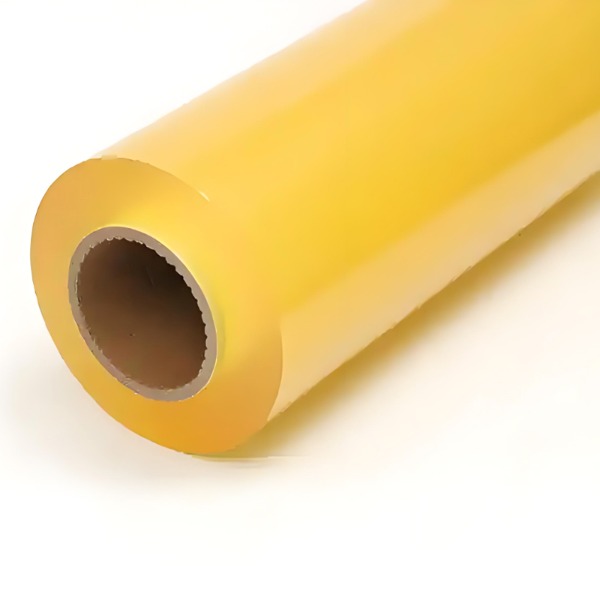
Polyethylene film is a type of plastic film made from polyethylene, a widely used polymer in various applications. It is produced through the polymerization of ethylene, a gas derived from natural gas and petroleum. There are two main types of polyethylene films commonly used in food packaging: Low-Density Polyethylene (LDPE) and High-Density Polyethylene (HDPE). Each of these variations offers different characteristics, making them suitable for specific types of food packaging.
Key Characteristics of Polyethylene Film:
| Property | Description |
|---|---|
| Strength | Offers excellent tensile strength, making it durable and flexible. |
| Moisture Resistance | Prevents water and moisture from reaching the food inside. |
| Transparency | Provides clear visibility of the packaged food, enhancing appeal. |
| Lightweight | Easy to handle and cost-effective in production and transport. |
| Cost-effective | Affordable to manufacture, reducing overall packaging costs. |
The Advantages of Polyethylene Film for Food Packaging
Polyethylene film is widely used in the food industry because of its unique combination of properties that offer numerous benefits. These advantages contribute to its position as a preferred packaging material.
Superior Protection Against Contamination
One of the most important functions of food packaging is to protect the product from external contaminants such as dirt, dust, and bacteria. Polyethylene film provides a robust barrier that helps preserve food safety by preventing contamination. Its moisture-resistant properties also help maintain the freshness of the food by keeping out water and humidity.
Extended Shelf Life
Polyethylene film’s ability to create a sealed, protective barrier around food items helps extend their shelf life. By preventing the ingress of moisture, oxygen, and contaminants, it reduces spoilage and keeps the food fresh for longer periods. This is particularly important for perishable items such as fruits, vegetables, meat, and dairy products.
Cost-effectiveness
The production process of polyethylene film is highly efficient, making it a low-cost material. This affordability is one of the main reasons it is widely used in the food packaging industry. Additionally, polyethylene film is lightweight, reducing transportation costs and overall packaging expenses. Its ease of production and low cost help keep the prices of packaged food items competitive.
Versatility in Application
Polyethylene film can be adapted to a wide variety of packaging needs, from simple wrap for fruits and vegetables to complex multi-layered packaging for frozen meals. It can be used in a variety of forms, including bags, pouches, and wraps, allowing manufacturers to tailor the packaging to the specific requirements of the product.
Applications of Polyethylene Film in Food Packaging
Polyethylene film is used for packaging a broad range of food products due to its versatility and protective qualities. Some of the most common applications include:
Food Bags and Pouches
Polyethylene bags and pouches are commonly used to package dry foods, snacks, and frozen products. The film is flexible, which makes it easy to seal and preserve the contents inside. For instance, snack foods like chips, cookies, and candies are often packaged in polyethylene bags that keep the contents fresh while maintaining an appealing display.
Fresh Produce and Meat Packaging
Fresh fruits, vegetables, and meats require packaging that provides excellent barrier properties. Polyethylene film is often used in produce bags, which allow for controlled respiration, thereby extending the shelf life of fresh produce. For meats, polyethylene packaging helps protect against contamination while keeping the product fresh.
Frozen Food Packaging
Polyethylene film is particularly useful for frozen food packaging, as it provides an airtight seal that prevents freezer burn. The film maintains its flexibility even at low temperatures, ensuring that frozen food items remain well-protected during storage and transport.
Ready-to-Eat Meals
Polyethylene film is often used to package ready-to-eat meals such as microwaveable dinners. The film’s resistance to moisture and oxygen helps keep the meal fresh, while its ability to be heat-sealed ensures that the packaging remains tamper-proof and secure.
Environmental Considerations
While polyethylene film offers numerous benefits, there are concerns about its environmental impact, particularly regarding plastic waste. However, efforts have been made to mitigate these concerns. Polyethylene is recyclable, and many packaging companies have adopted sustainable practices, such as using recycled polyethylene in packaging production. Additionally, innovations in biodegradable polyethylene are emerging, offering more environmentally friendly options for food packaging.
Sustainability Initiatives in Polyethylene Film Production
| Initiative | Description |
|---|---|
| Recycling Programs | Increased use of recycled polyethylene in production processes. |
| Biodegradable Films | Development of polyethylene films that degrade more rapidly. |
| Reduced Thickness | Production of thinner polyethylene films to reduce material usage. |
Key Factors Driving the Popularity of Polyethylene Film
Polyethylene film’s widespread use in food packaging is driven by several key factors that enhance its appeal to manufacturers and consumers alike.
Consumer Preference
Consumers prefer food products that are safe, fresh, and attractive. The transparency and clarity of polyethylene film provide consumers with a clear view of the food, which enhances its visual appeal and increases purchase intent.
Innovation and Customization
Packaging manufacturers are constantly innovating and improving polyethylene film’s properties. This includes incorporating features such as tamper-evident seals, resealable closures, and custom printing, which further drive its popularity. These innovations allow food companies to create packaging that not only protects the food but also promotes the brand.
Global Demand for Convenience
The global demand for convenience foods and ready-to-eat meals is driving the need for effective packaging solutions. Polyethylene film’s ability to preserve the integrity and freshness of pre-packaged meals and snacks aligns perfectly with the growing demand for convenient, on-the-go food options.
FAQ
Q1: Is polyethylene film safe for food packaging?
Yes, polyethylene film is considered safe for food packaging. It is approved by regulatory agencies such as the FDA for direct food contact and is widely used in the food packaging industry.
Q2: Can polyethylene film be recycled?
Yes, polyethylene film is recyclable. Many packaging companies are adopting sustainable practices by using recycled polyethylene in their packaging products.
Q3: How does polyethylene film help extend the shelf life of food?
Polyethylene film creates a protective barrier that prevents moisture, oxygen, and contaminants from affecting the food, thereby extending its shelf life.
Q4: What are the different types of polyethylene film?
The two main types of polyethylene film used in food packaging are Low-Density Polyethylene (LDPE) and High-Density Polyethylene (HDPE), each offering unique properties for specific applications.
Q5: Is polyethylene film suitable for frozen food packaging?
Yes, polyethylene film is ideal for frozen food packaging as it provides an airtight seal and maintains flexibility at low temperatures, preventing freezer burn and maintaining food quality.
Conclusion
Polyethylene film remains the preferred choice for food packaging due to its unique combination of protective properties, versatility, and cost-effectiveness. As consumer demand for fresh, safe, and convenient food packaging continues to rise, polyethylene film will remain a key player in ensuring that food products are packaged effectively and efficiently. While environmental concerns exist, ongoing innovation and sustainable practices are helping to address these challenges, making polyethylene film a practical and responsible choice for food packaging in the modern world.