English
  Français
  Deutsch
 Content
- 1 Introduction
- 2 What Are Polyethylene Gloves?
- 3 Types of Polyethylene Gloves
- 4 Key Benefits of Polyethylene Gloves
- 5 Polyethylene Gloves in Healthcare
- 6 Polyethylene Gloves in Food Service
- 7 Polyethylene Gloves in Manufacturing and Warehousing
- 8 Polyethylene Gloves and Their Environmental Impact
- 9 How to Choose the Right Polyethylene Glove for Your Industry
- 10 Why Polyethylene Gloves Matter
- 11 FAQ
- 12 Conclusion
Introduction
Polyethylene gloves are among the most commonly used protective wear in various industries, from healthcare and food service to manufacturing. While many people use them regularly, few understand the essential properties that make these gloves effective in different applications.
What Are Polyethylene Gloves?
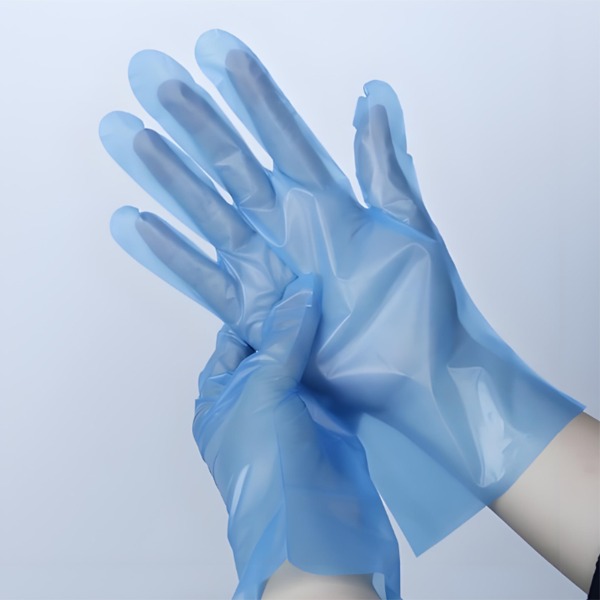
Polyethylene gloves are made from a type of thermoplastic polymer known for its versatility, low cost, and lightweight properties. These gloves are designed for single-use, typically used in environments where quick, disposable protection is necessary. Polyethylene is a material that is not only easy to produce but also has excellent chemical resistance, which is crucial in many industries where contact with hazardous substances is a concern.
Types of Polyethylene Gloves
Polyethylene gloves come in various types, each designed for specific uses. The two most common types are:
-
Low-Density Polyethylene (LDPE) Gloves
LDPE gloves are made from low-density polyethylene and are characterized by their flexibility, durability, and excellent fit. These gloves are more stretchable than high-density varieties and are commonly used in food handling, light medical applications, and cleaning tasks. -
High-Density Polyethylene (HDPE) Gloves
HDPE gloves are made from high-density polyethylene and are generally firmer and more resistant to punctures compared to LDPE. They are ideal for tasks that require durability, such as in industrial settings or when handling rough materials. These gloves are commonly used in heavy-duty applications like warehouse work, construction, or manufacturing environments.
Key Benefits of Polyethylene Gloves
-
Affordable and Cost-Effective
One of the major advantages of polyethylene gloves is their low production cost. They are often chosen for environments where bulk usage is required, as their low price makes them ideal for single-use scenarios without breaking the budget. -
Versatility Across Industries
Polyethylene gloves are used in a wide range of industries. They are ideal for food handling, healthcare, cleaning, and even light industrial tasks. Their lightweight design makes them easy to wear for long periods without causing discomfort. -
Chemical and Contaminant Resistance
Polyethylene offers excellent protection against certain chemicals, oils, and water-based substances. This makes polyethylene gloves an excellent choice for industries where workers are frequently exposed to cleaning agents, oils, or non-hazardous substances. -
Single-Use and Hygienic
As single-use gloves, polyethylene gloves ensure maximum hygiene. Once used, they are disposed of, eliminating the risk of cross-contamination between tasks, especially in environments like food processing and healthcare. -
Environmentally Friendly Alternatives
In recent years, manufacturers have been focusing on producing biodegradable polyethylene gloves, helping to reduce the environmental impact of single-use plastics. These innovations are critical in industries aiming to minimize their ecological footprint.
Polyethylene Gloves in Healthcare
In healthcare settings, polyethylene gloves serve as essential protective barriers for professionals when performing routine tasks such as patient examination, handling medical instruments, or administering medications. Due to their affordability and effectiveness, they are commonly used in settings that do not require the high chemical resistance of nitrile or latex gloves but still require hygienic protection.
Polyethylene Gloves in Food Service
The food service industry demands strict hygiene standards, and polyethylene gloves meet these needs effectively. They prevent direct contact between food and hands, thus helping in maintaining food safety and preventing contamination. These gloves are widely used by kitchen staff, caterers, and food processors.
Polyethylene Gloves in Manufacturing and Warehousing
In manufacturing and warehouse settings, polyethylene gloves are used to protect workers from dirt, grease, and other contaminants. These gloves provide a barrier between the skin and potentially harmful substances without hindering dexterity or performance. They are ideal for use in environments where heavy-duty gloves are not necessary but protection is still important.
Polyethylene Gloves and Their Environmental Impact
While polyethylene gloves provide several benefits, one of the ongoing challenges is their environmental impact. Being made from plastic, they are typically non-biodegradable and can contribute to plastic waste. However, several manufacturers are now producing biodegradable options to address this concern, ensuring that the gloves break down more quickly in landfills. Additionally, there are ongoing efforts to develop more sustainable materials for gloves in the future.
How to Choose the Right Polyethylene Glove for Your Industry
When choosing polyethylene gloves, there are several factors to consider based on the specific needs of your industry:
-
Thickness and Strength
The thickness of the gloves determines their durability. For light tasks, a thinner glove may suffice, while thicker gloves are necessary for tougher jobs. -
Size and Fit
It’s crucial to choose gloves that fit well to ensure comfort and prevent accidents. Poorly fitting gloves can cause discomfort or even lead to a lack of protection during use. -
Application Type
Consider the type of work you will be doing. Food handling, healthcare, and industrial jobs each have different requirements when it comes to glove strength, flexibility, and chemical resistance.
Polyethylene Gloves Comparison
| Feature | LDPE Gloves | HDPE Gloves |
|---|---|---|
| Material | Low-Density Polyethylene | High-Density Polyethylene |
| Flexibility | High | Moderate |
| Durability | Moderate | High |
| Cost | Low | Low |
| Chemical Resistance | Moderate | High |
| Primary Use | Food Handling, Healthcare | Heavy Duty Industrial Use |
Why Polyethylene Gloves Matter
Polyethylene gloves are not just a convenience but an essential tool in protecting workers and consumers alike. By preventing contamination, reducing exposure to harmful substances, and ensuring hygiene standards are met, polyethylene gloves play a vital role in many industries. They offer a quick, disposable option for personal protection that is cost-effective and adaptable to a range of applications.
FAQ
1. What industries benefit the most from polyethylene gloves?
Polyethylene gloves are widely used in the food service, healthcare, manufacturing, and cleaning industries.
2. Are polyethylene gloves eco-friendly?
While traditional polyethylene gloves are not biodegradable, there are now biodegradable alternatives available, reducing their environmental impact.
3. Can polyethylene gloves be used in medical settings?
Yes, polyethylene gloves are commonly used in medical environments for tasks that require minimal chemical resistance and are intended for single-use.
4. How do I know which type of polyethylene glove to use?
The choice between LDPE and HDPE depends on the task. LDPE gloves are more flexible and suited for light tasks, while HDPE gloves offer greater strength and are better for heavier industrial work.
5. Can polyethylene gloves be recycled?
Polyethylene gloves are technically recyclable, but because they are typically soiled after use, they are often not accepted by most recycling programs.
Conclusion
Polyethylene gloves are an essential part of many industries, offering a cost-effective and efficient way to protect against contamination. Whether used in food service, healthcare, or manufacturing, these gloves ensure hygiene, safety, and convenience.