English
  Français
  Deutsch
 Content
Introduction
Polyethylene film has become one of the most widely used materials in packaging across a broad range of industries. This versatile film offers numerous advantages that make it an ideal choice for food, medical, consumer goods, and industrial packaging. Its combination of properties such as durability, flexibility, and low cost positions it as a market leader.
Durability and Strength
One of the primary advantages of polyethylene film is its durability. It provides excellent resistance to punctures, tears, and abrasions. The material’s inherent strength makes it highly resistant to external environmental factors such as moisture, dirt, and extreme temperatures. This ensures that products remain intact and safe during transportation and storage.
- Impact resistance: Polyethylene film has the capacity to absorb impacts, preventing breakage or damage to delicate products inside.
- Long shelf life: The film provides superior protection for products, ensuring that they stay fresh for extended periods without compromise.
Cost-Effectiveness
Polyethylene film is one of the most cost-effective packaging materials available today. Its raw materials are inexpensive, and the production process is highly efficient, leading to lower manufacturing costs. For businesses looking to minimize packaging expenses while ensuring effective protection, polyethylene film provides a budget-friendly solution without sacrificing quality.
- Affordable material costs: The widespread availability of polyethylene resin keeps prices competitive and accessible for a wide range of manufacturers.
- Reduced shipping costs: Due to its lightweight nature, polyethylene film reduces the overall weight of packages, which can lead to significant savings in shipping costs.
Versatility and Customization
Polyethylene film is extremely versatile, offering a range of types and forms that can be tailored to meet specific packaging needs. It can be used for a variety of applications, from simple wraps to complex multilayered structures. Additionally, it can be combined with other materials for enhanced properties such as barrier resistance or added strength.
- Film types: Low-density polyethylene (LDPE), high-density polyethylene (HDPE), and linear low-density polyethylene (LLDPE) each have their own advantages, offering varying degrees of flexibility, strength, and barrier properties.
- Customizable design: The film can be printed with custom designs, logos, and labels, offering marketing opportunities while maintaining its protective qualities.
Barrier Properties
Polyethylene film has inherent barrier properties that make it an excellent choice for protecting products from external contaminants. It acts as a protective shield against moisture, oxygen, and dust, extending the shelf life of products, particularly food and medical items. Polyethylene’s barrier properties can be enhanced further when combined with other materials like aluminum foil or coatings for specific applications.
- Moisture resistance: Polyethylene film effectively prevents the entry of moisture, preserving the quality of moisture-sensitive items.
- Oxygen barrier: In food packaging, polyethylene’s oxygen barrier properties help prevent spoilage, preserving the freshness of perishable items.
Environmental Benefits
Polyethylene film is recyclable, making it an environmentally friendly packaging choice. While there are concerns about plastic waste, efforts to recycle polyethylene film are growing. Many regions have developed systems to recycle polyethylene, allowing it to be reused in the production of new products. Additionally, polyethylene has a lower carbon footprint compared to other packaging materials such as glass or metal.
- Recyclability: Polyethylene can be recycled multiple times, which helps reduce the overall environmental impact of packaging waste.
- Lower energy consumption: The production of polyethylene film requires less energy compared to other materials like glass or aluminum, contributing to energy savings.
Transparency and Aesthetic Appeal
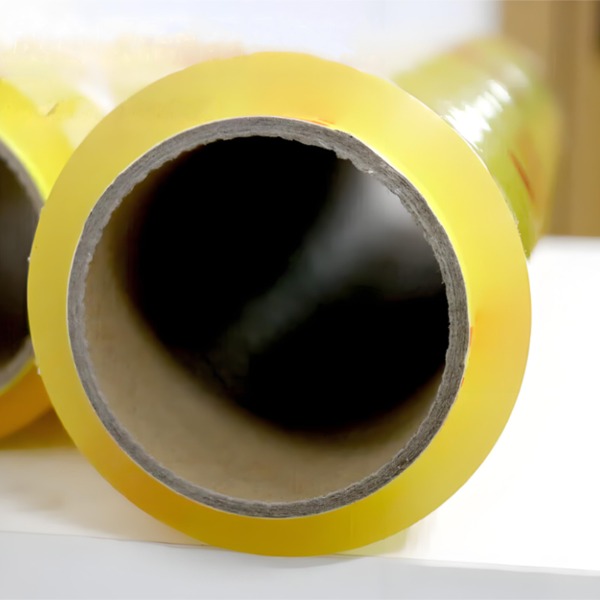
Polyethylene film can be manufactured in a transparent form, offering the benefit of clear visibility of the packaged product. This is particularly important in consumer goods packaging, as it allows for the visual appeal of the product to be easily seen by potential buyers. The clarity of polyethylene film enhances product presentation and helps attract consumer attention.
- Clear visibility: The transparency allows customers to view the contents, which is especially beneficial for food and retail products.
- High gloss finish: Polyethylene film can be manufactured with a glossy finish, giving products a professional and polished appearance.
Lightweight and Flexible
The flexibility and lightweight nature of polyethylene film make it ideal for a variety of packaging solutions. It can be easily molded and sealed, and its lightweight characteristics help reduce transportation costs. Despite its thinness, polyethylene film offers significant strength, making it suitable for both simple wraps and more complex packaging solutions.
- Ease of handling: The flexibility of the material allows for easy packaging and sealing, whether through hand wrapping or machine packaging processes.
- Cost-effective transportation: The light weight reduces overall shipping costs, which is particularly advantageous for bulk shipments.
Safety in Food Packaging
Polyethylene film is commonly used in the food industry due to its safe and non-toxic nature. It does not contain harmful chemicals, such as BPA, which are found in other materials. The film is FDA-approved for direct contact with food, making it a trusted choice for food packaging, especially for items like snacks, frozen food, and produce.
- Food-safe: Polyethylene film meets safety standards for food packaging, ensuring that it does not contaminate or alter the product.
- Preservation: The material helps in preserving the flavor and freshness of packaged food items by protecting them from external contaminants.
Conclusion
Polyethylene film continues to be a leading material in packaging due to its unmatched versatility, cost-effectiveness, durability, and environmental benefits. Whether used for food, medical, or industrial packaging, polyethylene provides an efficient and reliable solution for a variety of applications.
FAQ
Q1: Is polyethylene film safe for food packaging?
Yes, polyethylene film is safe for food packaging. It meets FDA standards for direct contact with food and does not contain harmful chemicals.
Q2: How can polyethylene film be recycled?
Polyethylene film can be recycled through various collection and processing systems, where it is converted into new products or materials.
Q3: What are the different types of polyethylene film?
The main types are low-density polyethylene (LDPE), high-density polyethylene (HDPE), and linear low-density polyethylene (LLDPE), each offering different properties based on their applications.
Q4: Can polyethylene film be used in extreme weather conditions?
Yes, polyethylene film offers resistance to moisture, dirt, and extreme temperatures, making it suitable for use in diverse weather conditions.
Q5: How does polyethylene film compare to other packaging materials in terms of cost?
Polyethylene film is one of the most cost-effective packaging materials, offering high performance at a lower cost compared to materials like glass or metal.