English
  Français
  Deutsch
 Content
PVC cling film, also known as polyvinyl chloride cling film, is a widely used food packaging material that offers convenience and versatility for both domestic and commercial use. It is highly transparent and provides an effective barrier against moisture, air, and contaminants, making it an ideal choice for preserving food freshness. However, like any packaging material, there are specific best practices for storing and using PVC cling film to ensure it is both effective and safe for food storage.
Understanding PVC Cling Film and Its Composition
PVC cling film is primarily made of polyvinyl chloride (PVC), a synthetic plastic polymer. During its production process, plasticizers are added to enhance flexibility and make the film more transparent and stretchable. While PVC cling film is useful for food packaging, it is important to be aware of the plasticizers used in its composition. These additives can migrate into food if the film is exposed to high temperatures or greasy substances, potentially posing health risks. Therefore, understanding the composition and potential hazards of PVC cling film is essential for safe usage.
Storage Guidelines for PVC Cling Film
Proper storage of PVC cling film is crucial to maintain its effectiveness and prevent degradation. The following best practices should be observed:
Store in a Cool, Dry Place
PVC cling film should be stored in a cool, dry area away from direct sunlight, heat sources, and moisture. Excessive heat can cause the film to degrade or lose its stretchability. A temperature range of 15-25°C (59-77°F) is ideal for storing PVC cling film.
Avoid Exposure to Extreme Temperatures
PVC cling film should not be exposed to extreme temperatures, either hot or cold. It is important to store it in an environment that remains stable. Do not store PVC cling film near ovens, stovetops, or heating vents, as high temperatures can cause the plasticizers in the film to break down, making the material less effective and potentially unsafe for food contact.
Keep Away from Chemical Substances
To prevent contamination, PVC cling film should be stored away from chemicals or cleaning agents. These substances can weaken the material, rendering it ineffective and potentially harmful if it comes into contact with food.
Use Original Packaging
Whenever possible, keep PVC cling film in its original packaging to maintain its protective coating. The packaging is designed to keep the film intact, free from dust, and prevent accidental damage.
Best Practices for Using PVC Cling Film
When using PVC cling film for food storage, it’s essential to follow specific guidelines to ensure both food safety and the optimal performance of the film.
Avoid High-Temperature Exposure
PVC cling film is not suitable for use in high-temperature environments. Do not use PVC cling film in ovens, microwaves, or other heating appliances. The plasticizers in the film may leach into food when exposed to heat, posing health risks. For high-temperature food storage, consider using alternative materials such as heat-resistant plastic wraps or containers.
Do Not Use with Greasy or Oily Foods
PVC cling film is not recommended for contact with greasy or oily foods, as the plasticizers can migrate into the food, potentially affecting its taste and safety. For greasy foods like meats, cheeses, or fatty leftovers, it is best to use other types of food packaging materials designed for such use, such as wax paper or silicone-based wraps.
Ensure Proper Sealing
When wrapping food with PVC cling film, make sure the film is securely sealed around the food item. The stretchability of the film allows for a tight seal that helps preserve the freshness of the food by preventing air and moisture from entering. Proper sealing also helps reduce the risk of contamination.
Do Not Reuse PVC Cling Film
PVC cling film is designed for single-use applications. Once it has been used to cover food, it should not be reused. Reusing cling film can lead to contamination and affect its ability to preserve food. Always dispose of used cling film and replace it with fresh material.
Avoid Contact with Sharp Objects
PVC cling film is thin and can tear easily when it comes into contact with sharp objects. To avoid damage to the film, handle it carefully, especially when wrapping food items with edges or sharp points, such as bones or crusty foods. This will ensure the cling film maintains its effectiveness in preserving the food.
Common Uses of PVC Cling Film
PVC cling film is primarily used for food packaging and preservation. Its most common applications include:
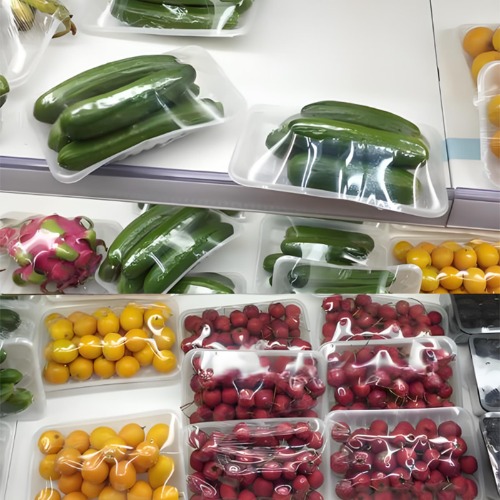
- Wrapping fresh produce: It helps maintain the freshness of fruits and vegetables by providing a barrier against moisture and air.
- Covering leftovers: PVC cling film is ideal for covering leftover food in the fridge, keeping it fresh for a longer period.
- Wrapping meats and fish: The film helps prevent contamination and keeps meat and fish items fresh by reducing exposure to air.
- Protecting prepared meals: It is used to cover cooked foods before refrigeration, maintaining taste and texture.
Safety Considerations When Using PVC Cling Film
While PVC cling film is generally safe when used correctly, there are important safety considerations to keep in mind:
1. Avoid Heating the Film
Never use PVC cling film in the microwave or oven, as the heat may cause the film to release harmful chemicals, including plasticizers. If you need to heat food wrapped in cling film, make sure to remove the film beforehand.
2. Check for BPA-Free Products
Many PVC cling films are free from harmful chemicals like BPA (Bisphenol A). When purchasing PVC cling film, ensure that the product is labeled as BPA-free to minimize potential health risks associated with plasticizer migration.
PVC Cling Film vs. Other Cling Films
While PVC cling film is widely used, there are other types of cling films on the market, including polyethylene (PE) and polyolefin films. Here’s a quick comparison of these materials:
| Material | Transparency | Stretchability | Heat Resistance | Best For |
|---|---|---|---|---|
| PVC Cling Film | Highly transparent | High | Not heat resistant | Fresh food preservation |
| PE Cling Film | Transparent | Moderate | Microwave-safe | Freezing, microwaving, and storage |
| Polyolefin Cling Film | Clear | High | Heat-resistant | Long-term storage, packaging of meats |
FAQ
1. Can PVC cling film be used in the microwave?
No, PVC cling film should not be used in the microwave because it is not heat-resistant. The heat can cause the film to release harmful chemicals and plasticizers.
2. Is PVC cling film safe for storing fresh produce?
Yes, PVC cling film is ideal for storing fresh produce as it helps retain moisture and prevents contamination. However, it should not be used for long-term storage of fruits and vegetables.
3. Can PVC cling film be used to wrap meats and fish?
Yes, PVC cling film can be used to wrap meats and fish to preserve freshness. However, it should not be used for greasy or oily foods due to the potential for plasticizer migration.
4. How long can food be stored with PVC cling film?
Food stored with PVC cling film can last for a few days, depending on the type of food. It is recommended to use it within 2-3 days for optimal freshness, especially for perishable items.
Conclusion
PVC cling film is an excellent tool for preserving the freshness of food, provided it is used and stored correctly. By following best practices for storage, usage, and disposal, consumers can ensure the safety and effectiveness of this packaging material. Always be mindful of the potential risks associated with heat and grease exposure, and choose appropriate alternatives when necessary. With proper handling, PVC cling film remains an essential item in food storage and packaging.