English
 Français
 Deutsch
Content
Why the Material Behind Your Gloves Matters
Disposable gloves appear in almost every hands-on industry, from commercial kitchens and cleaning crews to electronics inspection lines and laboratories. Many buyers treat them as interchangeable commodities until a glove tears mid-shift, leaks during a chemical transfer or causes skin irritation after a few hours. Two materials come up again and again in purchasing discussions: tpe gloves and nitrile gloves. Both are latex-free, both come in single-use formats and both look similar on a shelf. Their performance, however, differs in ways that affect safety, productivity and total cost.
This guide answers a question many buyers search for directly: what are the key differences between TPE gloves and nitrile gloves? We compare raw materials, elasticity, chemical and puncture resistance, thickness, price, environmental considerations and typical applications. By the end, you should be able to match each material to the work it handles best.
Short answer: TPE gloves are a light, low-cost choice for simple, short tasks, while nitrile gloves provide stronger protection for demanding, oily or hazardous work.
What Are TPE Gloves?
Material Basics
TPE stands for thermoplastic elastomer, a class of polymer that combines the stretch of rubber with the processing behavior of plastic. Unlike thermoset rubbers, thermoplastic elastomers can be melted and reshaped, which makes them efficient to produce at high volume. In disposable gloves, TPE is typically formed into a thin film, shaped on hand-form molds and packed in bulk.
Core Characteristics
- Latex-free, with no natural rubber proteins that commonly trigger allergic reactions
- Lightweight film with a soft, slightly slick surface
- Typically thinner than nitrile, often under 0.05 mm
- Clear or translucent appearance that makes contamination easy to spot
- Low per-unit cost when purchased in large quantities
Typical Use Scenarios
TPE gloves are most common where contact is brief and the risk is low. Food preparation staff use them to handle bread, fresh produce, cooked items and packaging. Packing lines, retail teams and light inspection crews use them to keep hands clean without adding significant cost. Many small kitchens and households also keep a supply for general tasks.
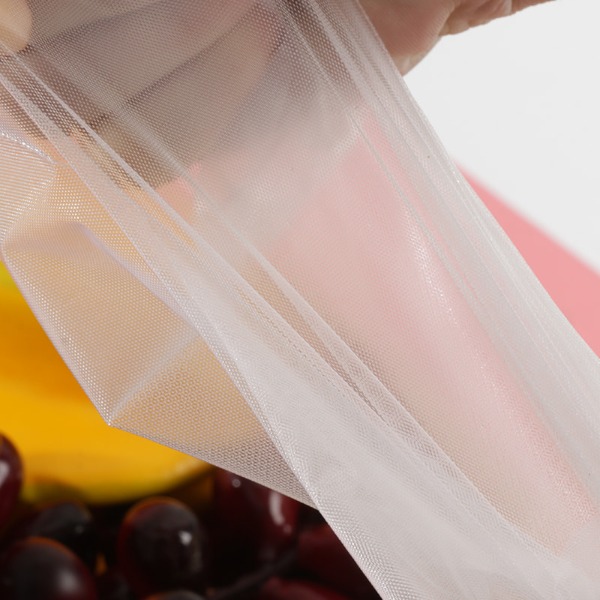
Quick Overview
Low costLatex-freeLightweightLimited tear resistanceBasic chemical protection
What Are Nitrile Gloves?
Material Basics
Nitrile is a synthetic rubber produced by copolymerizing acrylonitrile and butadiene. The result is a material that keeps much of the elasticity of natural rubber while resisting oils, fats and many solvents. Because it is synthetic, nitrile is free from the proteins responsible for most latex allergies, which makes it a common choice in environments where skin sensitivity is a concern.
Core Characteristics
- Synthetic rubber with good elasticity that conforms closely to the hand
- Latex-free and suitable for users with latex sensitivity
- Available in a wide range of thicknesses for light-duty and heavy-duty work
- Stronger resistance to punctures, tears and many oils and chemicals
- Good tactile sensitivity at standard thicknesses, supporting precise handling
Typical Use Scenarios
Nitrile gloves are widely used in laboratories, clinical settings, automotive workshops, salons, janitorial services and chemical handling areas. In these environments, the glove is often the main barrier between the worker and a hazard, so the extra strength and chemical resistance justify the higher price.
Quick Overview
Chemical resistancePuncture resistanceLatex-freeHigher unit costLonger wear
TPE Gloves vs Nitrile Gloves: Side-by-Side Comparison
The following sections break the comparison into the factors that most often influence a purchasing decision. The summary table and chart at the end give a quick reference, but the details behind each factor explain why the difference exists.
Raw Material
TPE gloves are made from thermoplastic elastomer, a blend that behaves like rubber under stress but can be processed like plastic. Nitrile gloves are made from synthetic nitrile rubber, a thermoset-style elastomer that is cross-linked during manufacturing. This difference in molecular structure is the root cause of most performance gaps between the two materials, including stretch recovery, chemical tolerance and tear behavior.
Elasticity and Comfort
Nitrile has noticeably better elasticity. It stretches over the hand, springs back to shape and maintains a snug fit through a long shift, which reduces fatigue in the fingers and wrists. TPE is stiffer and has less stretch, so it can feel looser on some hand sizes and may crease more readily during repetitive gripping. For short, simple tasks this rarely matters, but for tasks with fine motor requirements, nitrile usually feels more natural.
Chemical and Puncture Resistance
Both materials handle light contact with water-based substances and mild cleaning agents without difficulty. Nitrile performs far better with oils, greases, many solvents and a wider range of industrial chemicals. TPE offers only limited chemical protection and can degrade or lose integrity after prolonged contact with aggressive substances. Puncture resistance follows the same pattern: nitrile resists sharp edges, packaging fragments and small mechanical hazards, while TPE film is more likely to tear or perforate under pressure.
Latex Allergy Considerations
Both materials are latex-free, so neither is associated with the natural rubber latex proteins that cause Type I allergic reactions. This makes both suitable for workplaces where latex sensitivity is a concern. The choice between them should therefore rest on performance and cost rather than allergy risk alone.
Thickness and Durability
TPE gloves are usually thin, single-use, light-duty products designed for short contact. Nitrile gloves are produced across a wide thickness range, from thin examination grades to heavier versions intended for longer wear and more demanding work. Thicker nitrile gloves can be worn for extended periods without the same risk of tearing, which lowers the rate of glove changes in demanding environments.
Price and Cost Efficiency
TPE gloves are generally the lower-cost option per unit, and the gap widens in bulk purchasing. For operations that use large volumes on simple tasks, such as food portioning or packing, TPE can meaningfully reduce consumable spending. Nitrile carries a higher unit price, but its superior durability can offset part of that cost when it reduces breakage, contamination events or the number of gloves used per task. The best value depends on the work being done, not on the sticker price alone.
Environmental and Disposal Properties
Neither material is biodegradable in a practical sense, and both generally end up in landfill or waste-to-energy streams after single use. Some buyers prefer TPE because it is a thermoplastic that may be easier to process in certain recycling systems, although recycling availability varies by region and by the level of contamination. Nitrile is a durable thermoset-style elastomer that is harder to recycle through conventional channels. Facilities with formal waste programs should confirm local disposal rules before choosing either material.
Typical Applications
TPE gloves are a sensible fit for food handling, simple kitchen prep, light inspection, retail and packing. Nitrile gloves are better suited to laboratory work, clinical and dental settings, auto repair, salon treatments, heavy cleaning and chemical handling. The difference comes down to exposure level, contact duration and the cost of a glove failure.
| Factor | TPE gloves | Nitrile gloves |
|---|---|---|
| Base material | Thermoplastic elastomer | Synthetic nitrile rubber |
| Elasticity and fit | Moderate, can feel loose | High, snug and natural |
| Chemical resistance | Basic, light exposure only | Good against oils and many chemicals |
| Puncture and tear resistance | Limited | Strong |
| Latex-free | Yes | Yes |
| Typical thickness | Often under 0.05 mm | Commonly 3 to 6 mil |
| Relative unit price | Lower | Higher |
| Best for | Short, low-risk tasks | Demanding or hazardous tasks |
Illustrative ratings for general orientation only. Actual performance depends on product grade, thickness and handling conditions.
Pros and Cons at a Glance
TPE Gloves
Pros: Low unit cost, latex-free, lightweight, easy visual check for contamination and suitable for high-volume simple tasks.
Cons: Lower tear resistance, limited chemical protection, less elasticity and reduced comfort during long wear.
Nitrile Gloves
Pros: Strong chemical and puncture resistance, good elasticity, reliable protection in demanding work and wide thickness options.
Cons: Higher unit price, and less cost-effective for light-duty tasks where basic protection is enough.
The practical takeaway is that neither glove is universally superior. TPE wins on cost for simple jobs, while nitrile wins on protection and comfort for jobs with higher risk or longer contact time.
Which One Should You Choose?
Use the following checklist to narrow your options before comparing specific product data sheets.
- Choose TPE gloves when the budget is tight, contact is brief, the task is light and the risk of chemical exposure or puncture is low. Typical examples include food handling, light packing and simple inspection.
- Choose nitrile gloves when workers handle oils, solvents or aggressive cleaning agents, when sharp edges are present, when tasks last for hours or when fine dexterity matters.
- Consider both in a mixed facility. Many operations assign TPE to low-risk stations and nitrile to chemical or maintenance areas, which balances cost and protection.
Work through the three steps before reviewing the detailed specifications of any product.
Quick Decision Table
| Scenario | Better fit | Main reason |
|---|---|---|
| Light food handling | TPE gloves | Low cost and brief contact |
| Packing and sorting | TPE gloves | Quick to use and economical in volume |
| Oil or grease exposure | Nitrile gloves | Stronger chemical resistance |
| Laboratory sampling | Nitrile gloves | Predictable barrier performance |
| Auto repair or heavy cleaning | Nitrile gloves | Puncture and tear resistance |
| Long shifts requiring dexterity | Nitrile gloves | Better fit and elasticity |
When you are ready to source, compare the thickness, material and intended use of each option against your work conditions. A reliable supplier can provide samples so your team can test fit and performance before placing a bulk order. Many buyers also add a second product, such as disposable gloves in a different grade, to cover different stations within the same site.
Final Thoughts: Match the Glove to the Job
The key differences between TPE gloves and nitrile gloves come down to material structure, which then shapes elasticity, chemical resistance, puncture performance, thickness and cost. TPE is a practical, economical choice for light and short-duration tasks. Nitrile is the stronger option when protection, comfort and durability matter more than the lowest unit price.
The right glove is the one that fits the hazard, the duration and the budget of your specific operation. If your work involves oils, solvents or sharp materials, explore nitrile gloves options with the thickness and grade that match your daily demands.
Frequently Asked Questions
Q1: Are TPE gloves the same as nitrile gloves?
No. Both are latex-free single-use gloves, but they use different base materials. TPE is a thermoplastic elastomer, while nitrile is a synthetic rubber. The difference affects stretch, chemical resistance, puncture performance and price.
Q2: Can TPE gloves be used for food contact?
Yes, TPE gloves are widely used for light food contact such as portioning, packing and handling ready-to-eat items. They are not designed for prolonged exposure to oily or heavily seasoned foods, where a more resistant glove is usually preferred.
Q3: Are TPE gloves resistant to oil?
TPE offers only limited oil resistance. It can handle brief contact with light oils, but repeated or prolonged exposure may reduce its integrity. For greasy environments, nitrile is the more reliable choice.
Q4: Which is cheaper, TPE gloves or nitrile gloves?
TPE gloves generally have a lower unit price, and the difference grows in bulk orders. However, the cheapest glove is not always the most economical if it tears or must be changed more often during a task.
Q5: Can nitrile gloves be reused?
Standard disposable nitrile gloves are designed for single use. Reusing them increases the risk of contamination and can compromise barrier protection, especially after contact with chemicals or biological material. Some heavier-duty reusable nitrile gloves exist, but they should be cleaned and inspected according to the manufacturer guidance.