English
  Français
  Deutsch
 Content
Introduction
Polyethylene aprons have become a staple in food processing industries due to their durability, affordability, and safety features. Whether you’re in a large food production facility or a smaller-scale operation, choosing the right polyethylene apron is crucial to ensuring both worker protection and hygiene standards.
What Are Polyethylene Aprons?
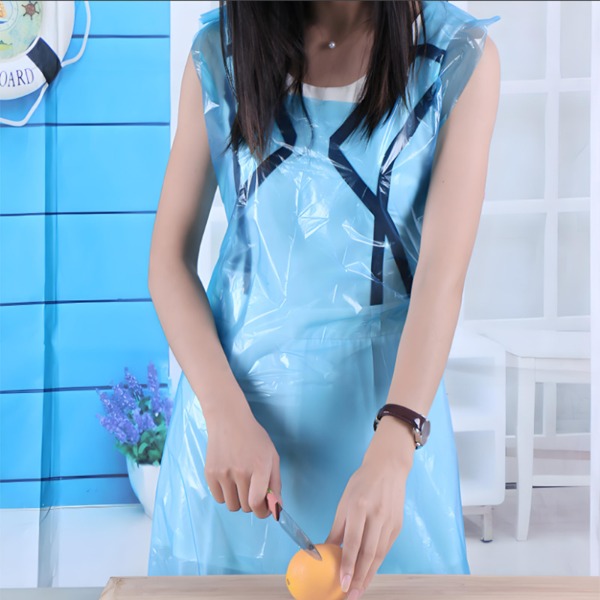
Polyethylene aprons are protective garments made from polyethylene plastic. They are designed to shield workers from various hazards in the food processing environment, including contact with liquids, chemicals, and food products. These aprons are known for their lightweight nature, flexibility, and high resistance to water and grease, making them ideal for a range of applications in food production lines, meat processing, dairy farms, and more.
Why Choose Polyethylene Aprons for Food Processing?
In the food processing industry, worker safety and hygiene are of utmost importance. Polyethylene aprons offer several key benefits:
-
Water and Grease Resistance: Polyethylene is non-porous, meaning it effectively resists liquids, oils, and greases, preventing workers from coming into contact with potentially harmful substances.
-
Durability: These aprons are known for their strength and longevity, even when exposed to tough conditions. They do not easily tear or degrade.
-
Hygiene: Polyethylene aprons are easy to clean and sanitize, helping businesses maintain strict hygiene standards.
-
Cost-Effectiveness: They are often more affordable than other types of aprons, offering great value without compromising safety.
Key Features to Consider When Buying Polyethylene Aprons
When selecting polyethylene aprons for food processing, there are several factors to consider to ensure you make the right choice for your needs.
Thickness of the Apron
The thickness of the polyethylene apron determines its durability and level of protection. Thicker aprons offer greater resistance to punctures and tears, making them ideal for more hazardous environments. However, thicker aprons may be less flexible and harder to move in.
Size and Fit
A well-fitting apron is essential for comfort and functionality. Polyethylene aprons typically come in standard sizes, but it’s important to choose one that covers the worker’s body sufficiently. Some aprons are designed to cover the front only, while others are full-body aprons that protect from neck to knees.
Strap or Ties
Polyethylene aprons are available with various fastening options. Some have adjustable neck straps and waist ties, while others come with plastic snaps or hooks. The fastening mechanism should be secure and comfortable for the wearer, ensuring the apron stays in place during use.
Color and Visibility
While the color of the apron may not directly affect performance, it plays an important role in visibility. Bright colors, such as yellow or red, can help workers stand out in busy environments, ensuring they are easily seen and reducing the risk of accidents.
Chemical and Abrasion Resistance
Polyethylene aprons are often used in environments where workers may come into contact with harsh chemicals or rough surfaces. If your operations involve these hazards, ensure that the apron offers adequate chemical and abrasion resistance for added protection.
How to Maintain Polyethylene Aprons
Proper maintenance ensures that your polyethylene aprons continue to provide effective protection. Here are some tips for maintaining your aprons:
Regular Cleaning: After each use, wash the apron with warm water and mild detergent. Avoid using harsh chemicals that may degrade the polyethylene material.
Avoid Extreme Heat: Polyethylene is a plastic material, so avoid exposing the aprons to high temperatures or direct heat sources to prevent melting or deformation.
Storage: Store aprons in a dry, cool area away from direct sunlight. Prolonged exposure to UV rays can cause the material to weaken over time.
Check for Damage: Regularly inspect your aprons for signs of wear and tear. Replace any aprons that have been punctured or excessively damaged.
FAQ
Q1: Are polyethylene aprons suitable for all food processing environments?
A1: Polyethylene aprons are ideal for general food processing environments, especially those involving water, grease, and light chemical exposure. For highly hazardous environments, you may need aprons with additional resistance properties.
Q2: How do I know if a polyethylene apron will fit me properly?
A2: Check the size options and closure types. Some aprons come in adjustable sizes, while others may have neck straps or waist ties for a customizable fit.
Q3: Can polyethylene aprons be reused?
A3: Yes, polyethylene aprons are reusable. However, they should be cleaned and inspected after each use to ensure their durability and continued protection.
Q4: What are the key benefits of using polyethylene aprons over other materials?
A4: Polyethylene aprons offer excellent water and grease resistance, are durable, and are cost-effective compared to other protective materials like vinyl or rubber.
Q5: How thick should a polyethylene apron be for meat processing?
A5: For meat processing, choose a thicker polyethylene apron (0.45mm or higher) to ensure protection against grease, sharp objects, and chemical exposure.