English
  Français
  Deutsch
 Content
- 1 Understanding CPE Gloves and Their Properties
- 2 Waterproof Capabilities of CPE Gloves
- 3 Food Safety Certification and Compliance Standards
- 4 Practical Applications in Food Industry Environments
- 5 Chemical Resistance Beyond Water Protection
- 6 How CPE Gloves Compare to Alternative Options
- 7 Selecting Quality CPE Gloves for Food Operations
- 8 Best Practices for Using Disposable CPE Gloves in Food Handling
- 9 Understanding Food Grade Status and Certification Standards
- 10 Performance Characteristics in Real-World Scenarios
- 11 Environmental and Sustainability Considerations
- 12 Frequently Asked Questions About CPE Gloves
- 12.0.1 Q1: Are CPE gloves truly waterproof or just water-resistant?
- 12.0.2 Q2: Can CPE gloves be used for all types of food handling tasks?
- 12.0.3 Q3: How long should disposable CPE gloves be worn before replacement?
- 12.0.4 Q4: Do CPE gloves cause latex allergies or other allergic reactions?
- 12.0.5 Q5: What is the difference between CPE and other synthetic glove materials?
- 12.0.6 Q6: Can CPE gloves be reused or only disposed after single use?
- 12.0.7 Q7: How should CPE gloves be stored to maintain their properties?
- 12.0.8 Q8: Are all CPE gloves the same quality, or do significant variations exist?
Understanding CPE Gloves and Their Properties
Disposable gloves have become an essential component of food safety protocols across the globe. Among the various materials used for CPE gloves, chlorinated polyethylene stands out as a versatile solution that meets stringent industry requirements. These protective barriers serve multiple purposes, from safeguarding food handlers to preventing cross-contamination in commercial kitchens.
The material composition of disposable CPE gloves creates a unique combination of flexibility and durability that distinguishes them from traditional latex or nitrile alternatives. Understanding these fundamental characteristics helps food service professionals make informed decisions about their protective equipment investments.
Waterproof Capabilities of CPE Gloves
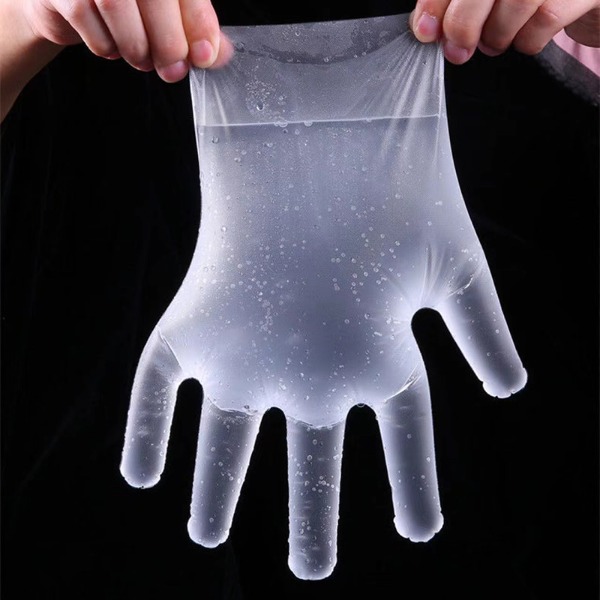
The waterproof nature of CPE material represents one of its most valued attributes in food handling environments. When properly manufactured, these gloves create a complete barrier against moisture and liquids, preventing water penetration even during extended exposure.
How Waterproofing Works at the Material Level
Chlorinated polyethylene achieves its waterproof properties through its molecular structure. The polymer chains create an impermeable surface that repels water molecules rather than absorbing them. This characteristic proves particularly valuable in settings where gloves encounter frequent liquid contact, such as dishwashing stations, food preparation areas, and cold storage environments.
Durability Under Wet Conditions
Unlike some natural rubber alternatives, plastic CPE gloves maintain their structural integrity when exposed to water for prolonged periods. The material does not swell, weaken, or degrade when submerged, making these gloves ideal for tasks involving:
- Washing produce and vegetables
- Handling raw seafood and poultry
- Working with marinades and wet ingredients
- Cleaning and sanitizing surfaces
- Processing foods in high-moisture environments
Comparison of Waterproofing Performance
| Glove Material | Water Resistance | Durability When Wet | Suitable for Food |
|---|---|---|---|
| CPE | Excellent | Excellent | Yes |
| Nitrile | Good | Good | Yes |
| Latex | Fair | Fair | Yes |
| Vinyl | Poor | Fair | Limited |
Food Safety Certification and Compliance Standards
The suitability of CPE gloves for food handling depends heavily on meeting established safety certifications and regulatory standards. Professional food service establishments must ensure their glove selection complies with local health department regulations and international food safety guidelines.
Regulatory Framework for Food-Grade Materials
Food grade CPE gloves must satisfy stringent requirements set by regulatory bodies. These standards address material composition, allergen content, and resistance to food-related substances. Manufacturers conduct extensive testing to verify that gloves do not leach harmful substances into food products and maintain integrity throughout contact with various food types.
Key Certifications to Look For
- FDA compliance for direct food contact applications
- European Union food contact material regulations adherence
- NSF certification for commercial food service use
- Allergen testing confirmation
- Heavy metal and contaminant screening
- Powder-free formulation verification
Testing Protocols and Quality Assurance
Manufacturers employing rigorous quality control procedures test their gloves for tensile strength, puncture resistance, and chemical compatibility. These tests simulate real-world conditions that gloves encounter in professional kitchens, ensuring they provide reliable protection without compromising food safety.
Practical Applications in Food Industry Environments
The versatility of CPE gloves extends across numerous food service settings, each presenting unique challenges and requirements. Understanding where these gloves excel helps operators optimize their protective equipment strategies.
Raw Meat and Poultry Handling
Food handlers working with raw proteins benefit significantly from CPE gloves' waterproof properties and strength. The material resists punctures from bones and sharp edges while preventing bacterial contamination transfer. The impermeability ensures that blood and other bodily fluids do not seep through the glove material.
Seafood Processing and Preparation
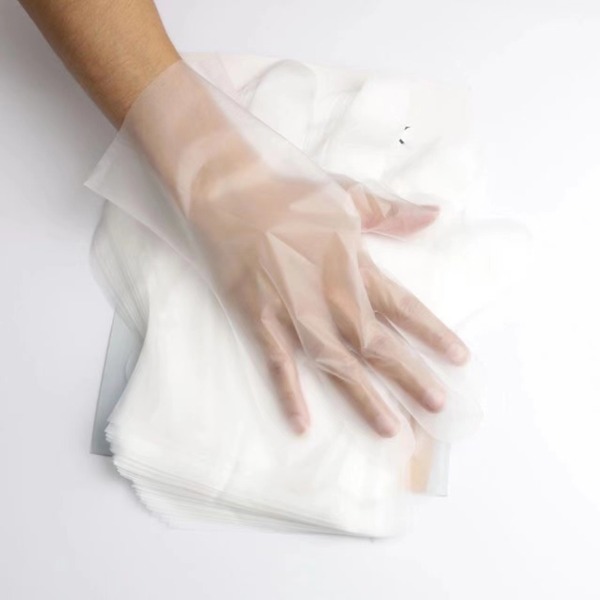
Seafood operations present particularly demanding conditions with constant moisture exposure. Clear CPE gloves for food industry use allow visual inspection of hands while maintaining complete water barriers. The material withstands salt water exposure and resists degradation from seafood enzymes and acids.
Produce and Vegetable Handling
When washing, sorting, and preparing fresh produce, consistent waterproofing protects against cross-contamination. The gloves maintain their integrity even when repeatedly submerged in wash water, ensuring handlers can work safely without frequent replacement.
Baking and Dough Work
Bakers and pastry chefs working with wet ingredients, glazes, and washes find CPE gloves invaluable. The waterproof quality prevents moisture from compromising the glove's structural integrity, which could lead to contamination or unpleasant textures in finished products.
Cold Storage and Frozen Foods
Freezer environments combined with moisture from thawing processes test glove durability thoroughly. CPE material maintains flexibility and function in cold temperatures while resisting embrittlement that affects some alternative materials.
Chemical Resistance Beyond Water Protection
Beyond waterproofing, food handlers encounter numerous substances requiring protective barriers. Chemical resistant disposable gloves address this expanded need, and CPE material performs exceptionally well across many scenarios.
Resistance to Common Food-Related Chemicals
CPE gloves provide solid resistance to many substances found in food service environments:
- Oils and fats used in cooking
- Acidic substances in marinades and sauces
- Alkaline cleaning agents
- Sanitizing solutions
- Food additives and seasonings
- Alcohol-based preparations
Limitations and Considerations
While CPE gloves offer robust chemical resistance, certain aggressive industrial solvents may affect material integrity over extended exposure periods. Food service environments typically do not involve such extreme chemical exposures, making CPE gloves suitable for the vast majority of food handling applications.
Combination Use with Other Protective Equipment
Professional kitchens often implement layered protection strategies. Food handlers might wear CPE gloves as a primary barrier, with aprons and arm covers providing secondary protection. This approach maximizes safety while maintaining the dexterity necessary for food preparation tasks.
How CPE Gloves Compare to Alternative Options
The protective equipment landscape includes numerous glove types, each with distinct advantages and limitations. Understanding these differences helps facilities select the most appropriate option for their specific operational needs.
CPE Versus Nitrile Alternatives
Nitrile gloves represent the most common alternative in food service settings. While both materials are food-safe and waterproof, important distinctions exist. Nitrile offers superior resistance to punctures and provides better tactile sensitivity for precise food handling tasks. CPE gloves typically offer lower cost points and equal or superior waterproofing in certain applications. The choice often depends on specific operational priorities, whether emphasizing sensitivity or economy.
CPE Versus Latex Considerations
Latex gloves, once standard in food service, have declined in usage due to latex allergies affecting portions of the population. CPE alternatives eliminate allergy concerns while providing comparable protection for food handling. The waterproofing characteristics are broadly similar, though CPE offers more consistent performance across various temperature conditions.
CPE Versus Vinyl Solutions
Vinyl gloves represent the most economical option but sacrifice performance in several key areas. Vinyl provides weaker waterproofing compared to CPE, deteriorates more quickly when exposed to oils and fats, and demonstrates lower puncture resistance. For food operations prioritizing protection over cost minimization, CPE gloves deliver superior value despite higher per-unit pricing.
Thickness and Durability Variations
CPE gloves come in various thicknesses, with thicker variants offering enhanced durability for extended-use scenarios. Standard food service applications typically employ 3 to 4 mil thickness, providing adequate protection without excessive bulk that might impair manual dexterity. Heavier-duty formulations suit environments involving aggressive handling or frequent chemical exposure.
Selecting Quality CPE Gloves for Food Operations
Choosing appropriate protective equipment requires evaluating multiple factors beyond basic waterproofing capability. Informed purchasing decisions ensure gloves meet operational requirements while maintaining cost efficiency.
Essential Quality Indicators
- Powder-free formulation to prevent food contamination
- Consistent thickness without thin spots
- Smooth surface finish reducing snagging risks
- Clear or slightly tinted color for visibility
- Comfortable fit that doesn't create hand fatigue
- Certification from recognized food safety authorities
- Proper storage in cool, dry conditions
Sizing and Fit Considerations
Proper sizing significantly impacts both protection and worker comfort. Gloves that are too loose reduce tactile sensitivity and increase the risk of accidental removal during critical tasks. Overly tight gloves restrict blood circulation and cause fatigue during extended wear periods. Facilities should provide multiple sizes to accommodate their workforce's hand dimensions.
Cost-Benefit Analysis for Food Service Operations
While CPE gloves may cost slightly more per unit than some alternatives, their superior durability and waterproofing characteristics often reduce overall expenses. Lower breakage rates during use mean fewer mid-task replacements and reduced labor disruption. Bulk purchasing programs with qualified suppliers further improve cost efficiency.
Storage and Shelf Life Management
Proper storage extends glove viability and ensures consistent quality. CPE gloves should be kept in cool, dry environments away from direct sunlight and extreme heat. Most manufacturers specify shelf lives ranging from three to five years when stored appropriately. Regular inventory rotation ensures that older stock is used first, maximizing product effectiveness.
Best Practices for Using Disposable CPE Gloves in Food Handling
Selecting appropriate gloves represents only part of an effective safety strategy. Proper usage procedures amplify protective benefits and minimize contamination risks.
Correct Donning and Doffing Techniques
Food handlers should inspect gloves before wearing them, checking for visible tears or defects. Hands should be clean when putting on gloves, and gloves should cover the wrist area to prevent skin contact with food. Removal procedures should avoid contact between the exterior of used gloves and exposed skin, preventing cross-contamination.
Replacement Frequency Guidelines
Glove replacement should occur whenever:
- Transitioning between different food items, especially from raw to ready-to-eat products
- Before and after handling money or touching non-food surfaces
- After touching face, hair, or other body parts
- When gloves become visibly soiled or contaminated
- When tears or holes develop
- After extended use periods, typically every two to three hours
Hand Hygiene Integration with Glove Use
Gloves supplement but do not replace proper hand hygiene. Food handlers should wash hands thoroughly before putting on gloves and immediately after removal. This combined approach provides defense-in-depth protection against pathogens and contamination.
Common Mistakes to Avoid
- Assuming gloves eliminate the need for hand washing
- Leaving gloves on for extended periods without replacement
- Using damaged or compromised gloves
- Touching non-food items with the outer surface of used gloves
- Storing gloves in inappropriate conditions
- Selecting incorrect sizes or materials for specific tasks
Understanding Food Grade Status and Certification Standards
The term "food grade" carries specific regulatory meaning that goes beyond general safety claims. Understanding these standards ensures operations maintain compliance with health department requirements.
What Food Grade Designation Means
Food grade certification indicates that materials have been tested and verified to meet safety standards for direct food contact. This includes verification that no harmful substances will migrate into food products and that the material will not impart undesirable tastes, odors, or colors. Third-party testing and documentation support these claims, providing regulatory assurance.
Regulatory Authority Recognition
Different jurisdictions maintain distinct regulatory frameworks. Food operations must ensure glove selection complies with the specific standards applicable in their location. International companies operating across multiple territories often choose gloves meeting the most stringent standard, ensuring compliance regardless of jurisdiction.
Documentation and Record Keeping
Sophisticated food operations maintain documentation of glove purchases, specifications, and certifications. These records demonstrate due diligence to health inspectors and provide evidence of commitment to food safety protocols. Such documentation also serves valuable purposes in traceability investigations if food safety issues arise.
Performance Characteristics in Real-World Scenarios
CPE gloves demonstrate exceptional performance across diverse food handling scenarios. The visual representation above illustrates key performance metrics that food service operations evaluate when selecting protective equipment. The waterproof and chemical resistant properties combine to create a reliable barrier in the most demanding food preparation environments.
Environmental and Sustainability Considerations
Modern food operations increasingly consider environmental impact of protective equipment choices. Understanding the sustainability profile of CPE gloves helps facilities make decisions aligned with their operational values.
Material Composition and Biodegradability
CPE is a synthetic polymer derived from petroleum. Unlike some natural rubber alternatives, CPE does not readily biodegrade in natural environments. However, modern manufacturing processes increasingly incorporate recycled content or explore more sustainable polymer alternatives that maintain performance characteristics while reducing environmental footprint.
Waste Management and Disposal
Used gloves constitute significant waste streams in food service operations. Facilities should establish proper disposal procedures that comply with local waste management regulations. Some advanced waste management facilities can process synthetic polymers for energy recovery or recycling into other products, reducing landfill impact.
Balancing Protection with Environmental Responsibility
Food safety represents a non-negotiable operational requirement that cannot be compromised for environmental considerations. The minimal waste created by using appropriate gloves that prevent foodborne illness outbreaks represents a net positive environmental outcome compared to the broader consequences of contamination events.
Frequently Asked Questions About CPE Gloves
Q1: Are CPE gloves truly waterproof or just water-resistant?
CPE gloves function as complete waterproof barriers when properly manufactured and intact. The material itself does not absorb water or allow liquid penetration through the polymer structure. However, waterproofing depends on glove integrity, meaning any tears or punctures compromise this protection. This distinction between the material's inherent waterproof properties and the practical performance of intact gloves is important for food handlers to understand. Inspection before use and prompt replacement of damaged gloves maintain waterproof effectiveness.
Q2: Can CPE gloves be used for all types of food handling tasks?
While CPE gloves excel in most food service applications, certain specialized tasks may benefit from alternative materials. Situations requiring maximum tactile sensitivity or extremely precise handling might better suit thinner gloves or alternative materials. Conversely, tasks involving extended water exposure, raw meat handling, or chemical contact strongly favor CPE gloves. Most food operations find that CPE gloves handle the vast majority of their requirements effectively.
Q3: How long should disposable CPE gloves be worn before replacement?
General recommendations suggest replacing gloves every two to three hours during continuous use, though more frequent replacement is appropriate when gloves contact different food categories. Immediate replacement is necessary when gloves become visibly soiled, torn, or contaminated. Individual operations may establish more stringent replacement schedules based on their specific risk assessments and regulatory requirements.
Q4: Do CPE gloves cause latex allergies or other allergic reactions?
CPE is a synthetic polymer unrelated to natural rubber latex, making it an excellent choice for individuals with latex allergies. The material is hypoallergenic and does not contain the protein responsible for latex reactions. Food handlers with known latex sensitivities can safely wear CPE gloves without concerns about allergic responses. This characteristic makes CPE particularly valuable in food operations serving diverse populations.
Q5: What is the difference between CPE and other synthetic glove materials?
CPE differs from nitrile in waterproofing characteristics and cost structure, with CPE typically offering superior waterproofing at lower cost but slightly lower puncture resistance. Vinyl gloves represent a more economical option but sacrifice performance in durability and waterproofing. CPE occupies a middle position, balancing cost, protection, and specific performance characteristics that align well with food service requirements.
Q6: Can CPE gloves be reused or only disposed after single use?
Disposable CPE gloves are engineered for single-use applications in food service settings. Reusing gloves creates unacceptable contamination risks and typically violates health department regulations. The cost of disposable gloves is calculated with single-use protocols in mind, and reuse does not provide meaningful cost savings when proper handling and replacement procedures are followed.
Q7: How should CPE gloves be stored to maintain their properties?
Proper storage preserves glove integrity and effectiveness. Gloves should be kept in cool, dry environments protected from direct sunlight and extreme temperatures. Temperatures between 50-70 degrees Fahrenheit represent an ideal storage range. Humidity control prevents material degradation, and appropriate inventory rotation ensures gloves are used before shelf life expiration.
Q8: Are all CPE gloves the same quality, or do significant variations exist?
Quality variations among CPE gloves exist based on manufacturing processes, raw material sourcing, and quality control standards. Certified gloves meeting food safety standards undergo rigorous testing and comply with regulatory requirements. Procurement professionals should prioritize reputable suppliers with demonstrated quality records and appropriate certifications rather than exclusively focusing on price to ensure consistent protective performance.